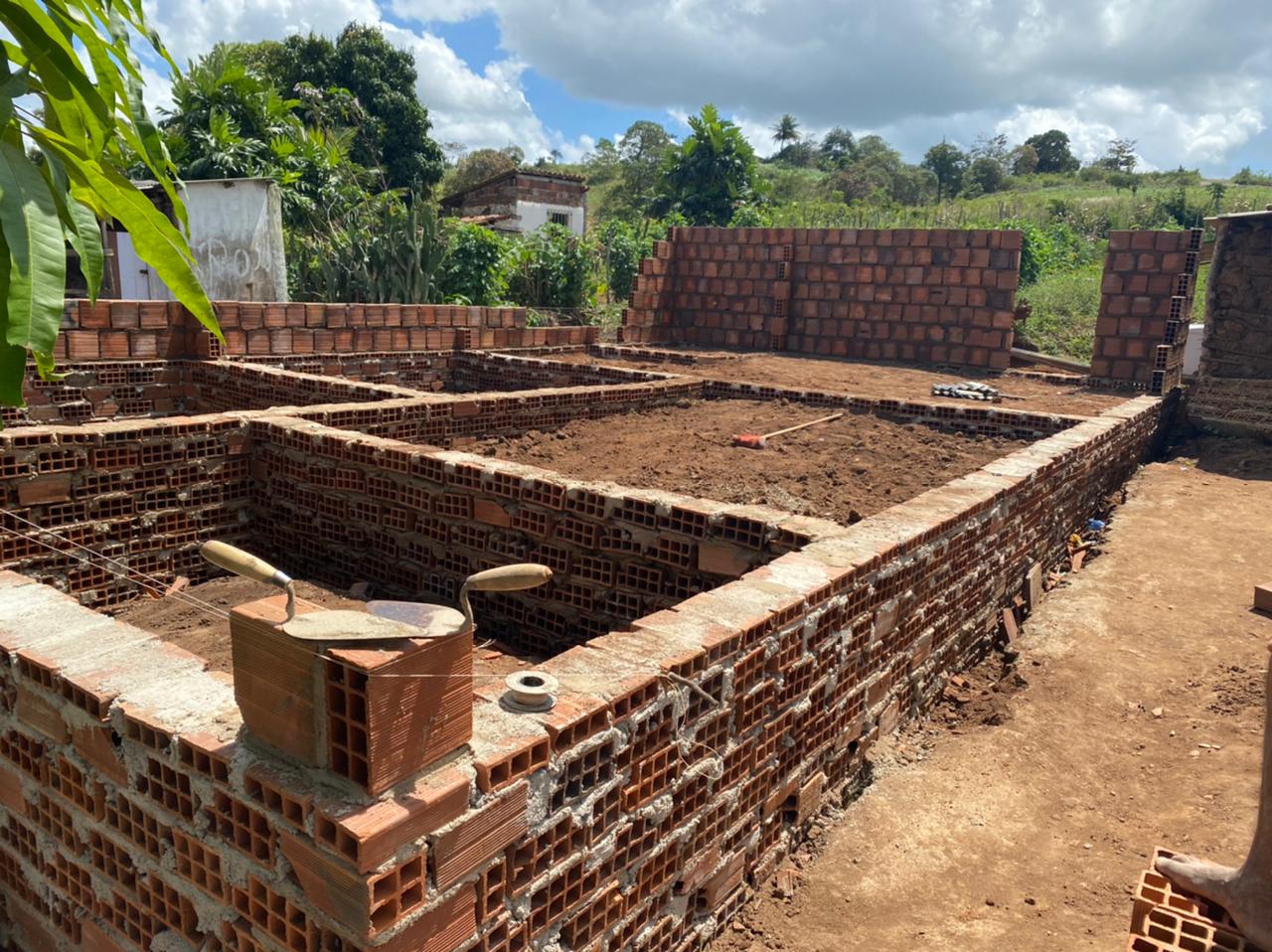
Buenos Aires Renewable Energy Project
rotecting Brazil’s Caatinga forest by replacing illegal firewood with renewable biomass.
The story behind Buenos Aires Renewable Energy Project.
This small-scale project in Pernambuco, Brazil, cuts one of the main drivers of local deforestation: illegal logging for industrial fuel. A red-ceramics factory has switched from native firewood to agricultural and industrial residues that would otherwise be discarded. The result is lower greenhouse gas emissions, reduced pressure on the Caatinga biome, and a more sustainable local supply chain.
Registered under Gold Standard, the project has avoided nearly 133,000 tCO₂e over ten years and helped preserve around 1,970 hectares of native forest. It supports over 110 families through direct employment and income from supplying biomass residues, while also funding housing and food donations, local schools, sports initiatives, and the community NGO “Casa do Povo”.
On-site, automated kilns and cleaner fuel have improved working conditions for 90+ employees by cutting indoor air pollution and heat exposure. For buyers, these VERs offer traceable climate impact combined with tangible social co-benefits in one of Brazil’s most threatened ecosystems.

Think of the Gold Standard as the "premium, fair-trade, organic" label of the carbon offsetting world. It's known for being one of the strictest and highest-quality standards. To get a Gold Standard c ertification, a project can't just prove it reduced carbon; it must also prove it contributed to at least three UN Sustainable Development Goals (SDGs). This means the project is also doing extra good, like providing clean water, creating new jobs, or protecting wildlife in the local community. …read more
Get verified and start supporting real, traceable climate projects.
Get Verified Plant TreesWhere in the world.
Pinpointing exactly where your funding makes a difference.
Explore more projects
Your funding directly supports verified projects across the globe.

Fund projects like Buenos Aires Renewable Energy Project.
Get verified and start supporting traceable climate projects with independently audited carbon retirement.